Introduction
In the world of alternative healing practices, Reiki has actually gained significant appeal for She Hei Ki its ability to promote physical, emotional, and spiritual well-being. At the heart of Reiki lies the concept of energy healing, where specialists transport universal life force energy to restore balance and consistency within the body. While Reiki is frequently connected with hand positions, symbols, and attunements, Cho Ku Rei one key component that is often ignored is the role of meditation in improving the practice. In this short article, we will check out how meditation can cultivate inner stillness and clarity in the context of Reiki practice.
The Role of Meditation in Reiki Practice: Cultivating Inner Stillness and Clarity
Meditation works as an effective tool for Reiki practitioners to deepen their connection with the universal life force energy and cultivate inner stillness and clarity. By quieting the mind and launching accessories to ideas and emotions, meditation enables practitioners to get in a state of deep relaxation and receptivity. This state of inner stillness provides an optimal environment for energy healing work to take place.
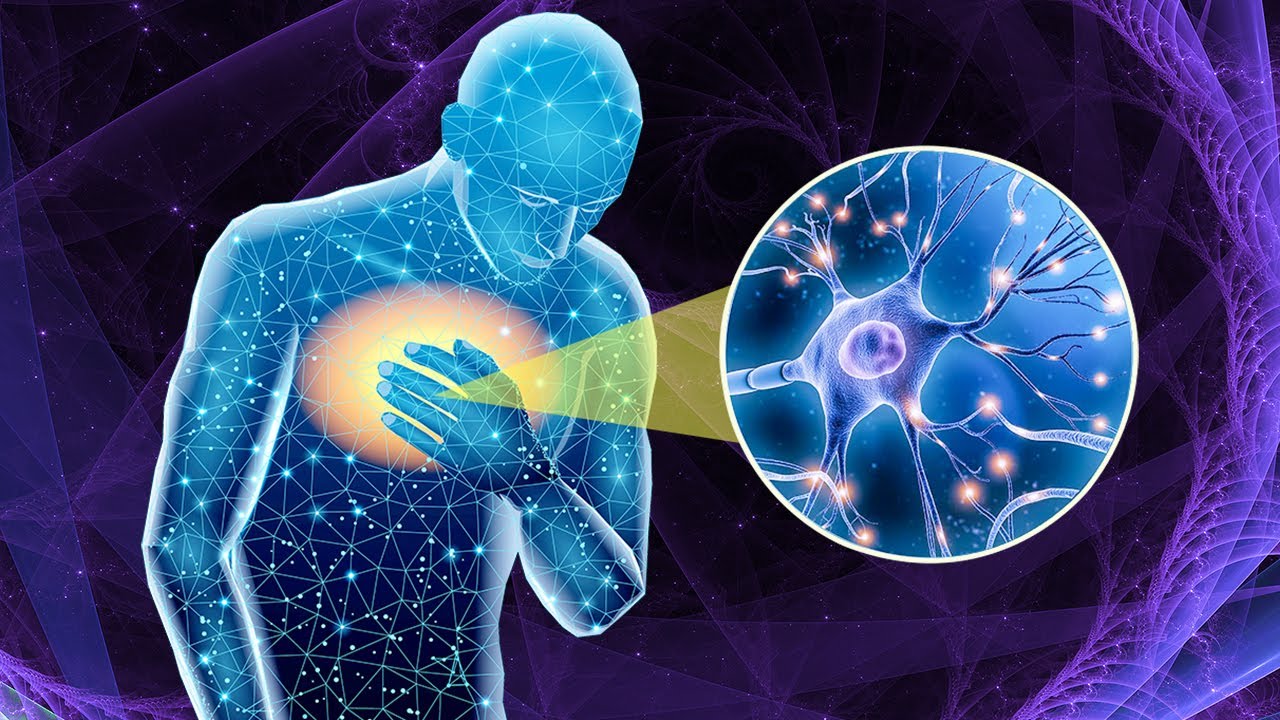

Benefits of Meditation in Reiki Practice
Enhanced Energy Awareness:- Through routine meditation practice, Reiki practitioners establish an increased sensitivity to energy circulation within their own bodies and in their surroundings. This increased awareness allows them to much better perceive clogs or imbalances in the energy field, enabling more targeted healing.
- Meditation cultivates intuition by silencing the analytical mind and producing space for user-friendly insights to arise. As intuition plays an essential function in guiding Reiki practitioners throughout sessions, meditation enhances their ability to trust and act upon these user-friendly messages.
- By entering a meditative state, practitioners can develop a much deeper connection with the universal life force energy, permitting it to stream more freely through them during Reiki sessions. This heightened connection facilitates a more potent and effective healing experience for both the specialist and the recipient.
Incorporating Meditation into Reiki Practice
Setting Intents:- Before starting a Reiki session, professionals can begin with a brief meditation to set clear intentions for the recovery process. By envisioning the desired result and connecting with the universal life force energy, professionals align themselves with the highest healing potential.
- Meditation can be utilized as a grounding and focusing practice before initiating any Reiki work. By focusing on deep, deliberate breaths and picturing roots extending from the feet into the earth, specialists develop a strong structure for their energetic work.
- Chakras are energy centers within the body that play an essential function in Reiki practice. Practitioners can improve their understanding and balance of these chakras through particular chakra-focused meditations.
- Reiki professionals typically include self-healing meditations into their everyday regimens to maintain their own energetic wellness. These meditations might include visualizations, affirmations, or just being in stillness while transporting Reiki energy to oneself.
Frequently Asked Concerns (Frequently Asked Questions)
What is the significance of hand positions in Reiki practice?
Hand positions in Reiki serve as a guide for practitioners to direct energy circulation throughout sessions. Each hand position corresponds to a specific area of the body or energy center, allowing for comprehensive healing coverage.
Are there particular symbols used in Reiki practice?
Yes, there are a number of signs utilized in Reiki practice that hold different meanings and functions. These signs are taught at higher levels of Reiki training and are utilized to improve healing energy and intention.
What is the history of Reiki?
Reiki came from Japan in the early 20th century and was developed by Mikao Usui. It is based on the principle of channeling universal life force energy for recovery purposes.
How does Reiki energy work?
Reiki energy works by helping in the balancing and harmonizing of the recipient's energy field. The professional functions as an avenue for universal life force energy, enabling it to flow to locations in need of healing.
What is taught in Reiki Level 1 training?
In Reiki Level 1 training, professionals find out the standard concepts and hand positions of Reiki, along with strategies for self-healing and working with others. It is the structure level of Reiki practice.
What is taught in Reiki Level 2 training?
In Reiki Level 2 training, specialists receive more attunements and learn about spiritual signs utilized to enhance the flow of Reiki energy. They likewise get understanding on distant recovery techniques.
Conclusion
Meditation functions as an indispensable tool for Reiki professionals looking for to deepen their practice and boost their capability to facilitate healing. By cultivating inner stillness and clarity through meditation, specialists can access an increased state of awareness and connection with universal life force energy. Incorporating meditation into Reiki practice permits a more extensive healing experience, benefiting both the specialist and recipient alike. So, whether you are new to Reiki or a knowledgeable professional, consider integrating meditation into your practice and find the transformative power it can bring.
